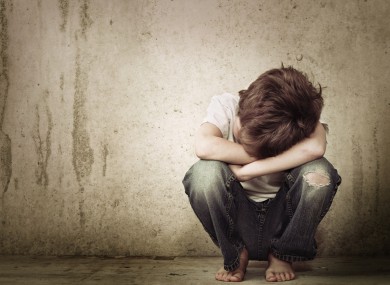
Child
neglect is a form of child maltreatment. Child neglect is a deficit in meeting a
child’s basic needs. Furthermore, child neglect is the failure to provide basic
physical health care, supervision, nutrition, emotional nurturing, education or
safe housing. Society generally believes there are necessary behaviors a
caregiver must provide a child in order for the child to develop (physically,
socially, and emotionally). Child neglect depends on how a child and society perceives
the parents’ behavior; it is not how the parent believes they are behaving
towards their child.
Parental failure to
provide when options are available is different from failure to provide when
options are not available. Poverty is often an issue and leads parents to not
being able to provide. The circumstances and intentionality must be examined
before defining behavior as neglectful. Child neglect is the most frequent form
of abuse of children, with children that are born to young mothers at a substantial
risk for neglect. In 2008, the U.S. state and local child protective services
received 3.3 million reports of children being abused or neglected. Seventy-one
percent of the children were classified as victims of child neglect (“Child
Abuse & Neglect”). Maltreated children/youth were about five times more
likely to have a first emergency department presentation for suicide related
behavior compared to their peers, in both boys and girls. Children/youth
permanently removed from their parental home because of substantiated child
maltreatment are at an increased risk of a first presentation to the emergency
department for suicide related behavior.
Neglect is
notoriously difficult to define as there are no clear, cross-cultural standards
for desirable or minimally adequate child rearing practices. Neglect is the least studied
and most poorly described form of child maltreatment. This is due to many
factors including the difficulty in defining and documenting neglect of children,
internationally. Neglect is the most common form, and also the fastest growing
category, of maltreatment in Malaysia.
Malaysians are generally not aware of
negligence as a type of child abuse, how to identify symptoms and how to
respond. This often triggers the reaction of turning a 'blind eye'.
In Malaysia, Child abuse (in any form)
is widely regarded as a private family issue, which should not to be interfered
with. Besides that child neglect issues are not often reported and public
awareness activities only promote physical abuse, but nothing about child
neglect. As for the victims,
they do not know how, who, where to seek help from.

No comments:
Post a Comment